August 15, 2026, Ministry of Planning and Development, Bishoftu, Oromia, Ethiopia
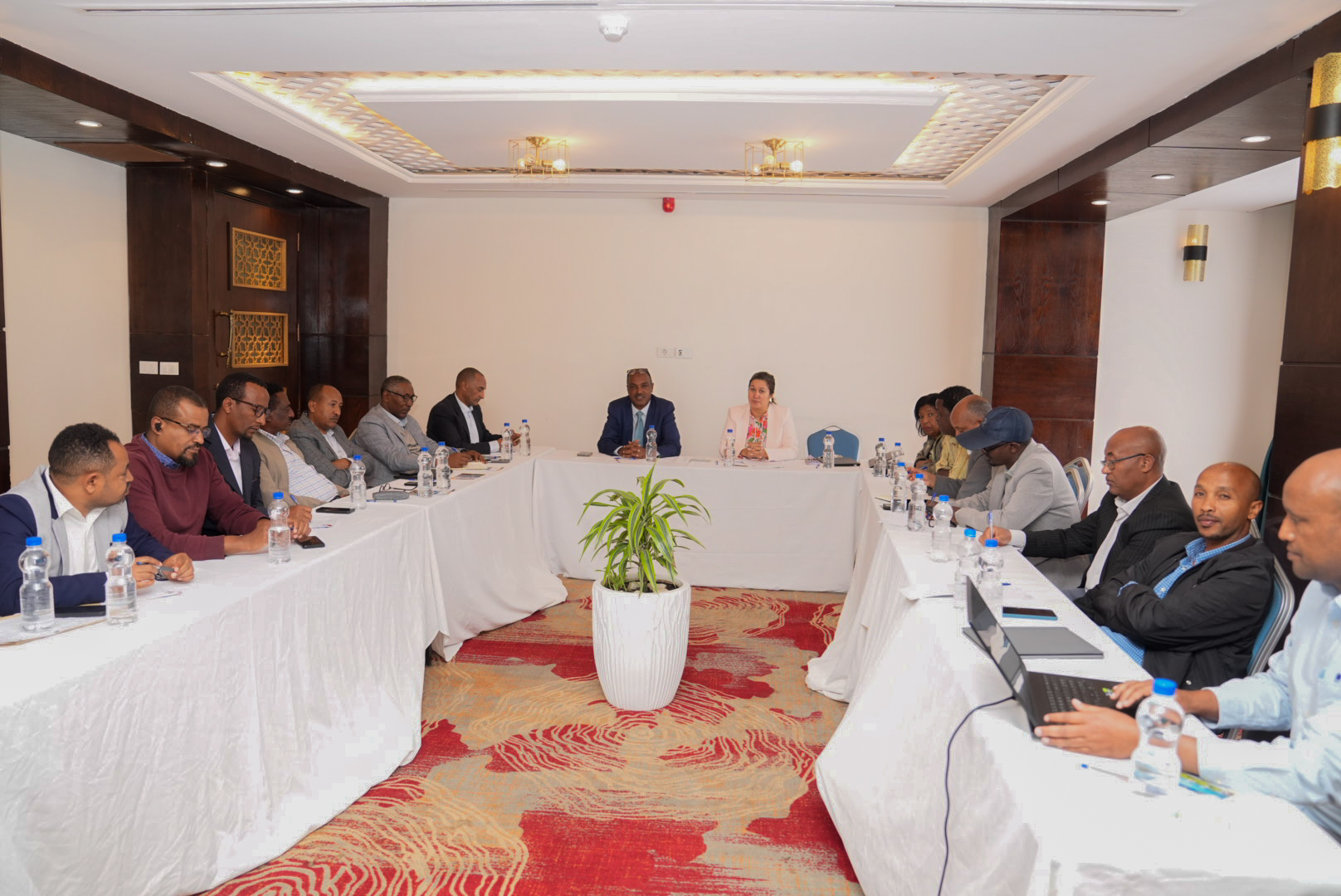
The Ministry of Planning and Development (MoPD) has evaluated the progress of its flagship climate and food systems project, FOLUR Ethiopia, during the project's 5th Project Steering Committee (PSC) meeting held in Bishoftu, Oromia.
Implemented in partnership with the United Nations Development Programme (UNDP), the Ethiopian Coffee and Tea Authority (ECTA), Ethiopian Forestry Development (EFD), and regional institutions, the project promotes sustainable coffee production, forest restoration, integrated land use planning, and improved livelihood opportunities across Oromia, South West Ethiopia, South Ethiopia, and Sidama regions.
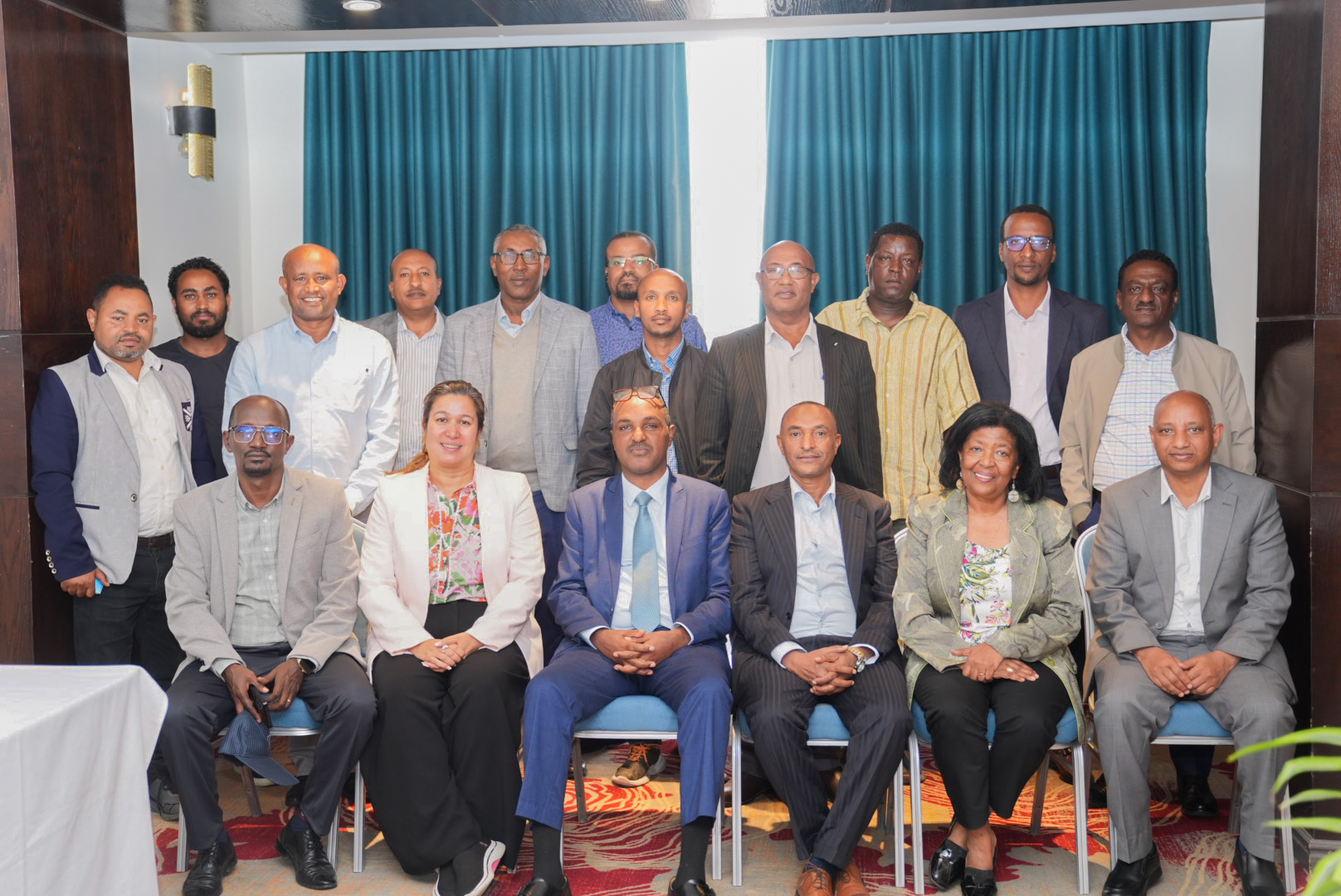
The meeting was chaired by the State Minister of the Ministry of Planning and Development, H.E. Seyoum Mekonen, and attended by UNDP Ethiopia's Deputy Resident Representative, Ms. Charu Bist, together with representatives from federal and regional partner institutions.
The Steering Committee reviewed the project's performance during the first half of 2026, assessing progress made across its major intervention areas and identifying priority actions for the remainder of the year.
Participants noted encouraging achievements in the development of woreda-level integrated land use plans, sustainable management of agricultural landscapes, and the restoration of old coffee gardens. The initiative has also continued to expand participatory forest management through the establishment and strengthening of community-based cooperatives, contributing to improved forest conservation and sustainable use of natural resources.
Women's economic empowerment was also highlighted as one of the initiative's key areas of progress. Through income-diversification activities, cooperative development, and the establishment of women-led micro-businesses, the project continues to create improved livelihood opportunities and strengthen the participation of women in local economic activities.
The Committee reviewed and approved the major agenda items, including the six-month performance report, and agreed on key priority areas for continued implementation. These include advancing the land use plan and policy process, developing a framework to support the expansion of old coffee restoration, organizing a national multi-stakeholder knowledge-sharing event, and further strengthening environmental and social safeguard measures.
Looking ahead, FOLUR Ethiopia will continue to focus on expanding sustainable coffee restoration in response to growing demand from farming communities, advancing the national land use planning agenda, creating additional livelihood opportunities for women and young people, and consolidating the knowledge and lessons generated through the project's implementation.
The Ministry of Planning and Development reaffirmed its commitment to working closely with UNDP, implementing partners, regional institutions, and other stakeholders to ensure the continued success and sustainability of the initiative.